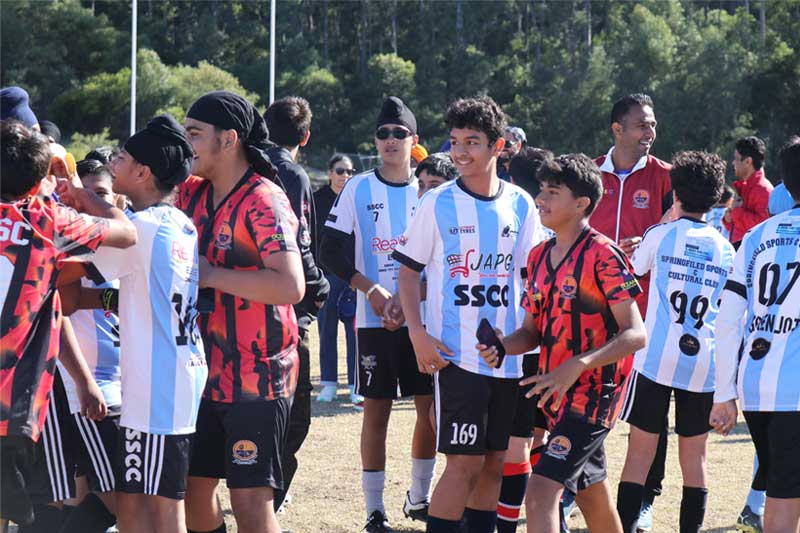

Why Sports & Cultural Club necessary for Kids?
Sports and cultural clubs play a vital role in the overall development of children. Here are the key reasons why they are necessary for kids:
1. Physical Health and Fitness
Active Lifestyle: Sports clubs encourage children to engage in regular physical activity, which is essential for developing strong muscles, improving coordination, and maintaining a healthy weight.
Healthy Habits: Early involvement in sports fosters lifelong healthy habits, reducing the risk of obesity, diabetes, and other lifestyle-related diseases.
2. Mental and Emotional Development
Building Confidence: Both sports and cultural clubs provide opportunities for kids to achieve personal goals, boosting their self-esteem and confidence.
Stress Relief: Physical activity in sports helps release tension and reduce stress, while cultural activities like music, art, and theater provide a creative outlet for emotions.
Emotional Intelligence: Through teamwork, performances, and cultural exchanges, children learn empathy, patience, and how to express their emotions constructively.
3. Social Skills and Teamwork
Collaboration: Sports teach the value of teamwork, cooperation, and working toward shared goals, while cultural clubs emphasize collaboration through group projects, performances, or cultural celebrations.
Making Friends: Both types of clubs provide social environments where children can meet new people, form friendships, and improve their communication skills.
Sense of Belonging: Being part of a team or cultural group fosters a sense of belonging, helping children feel more connected and supported by their peers.
4. Cognitive Development and Learning
Enhanced Focus and Discipline: Participation in sports requires concentration, discipline, and strategic thinking, skills that also benefit academic performance. Cultural activities like music, drama, and arts foster creativity, problem-solving, and focus.
Learning New Skills: Sports teach physical skills like coordination and agility, while cultural clubs expose children to languages, music, arts, and different cultural practices, expanding their knowledge base.
Boosting Academic Performance: Studies have shown that children involved in extracurricular activities, including sports and cultural clubs, often perform better in school due to improved focus, time management, and discipline.
5. Cultural Awareness and Identity
Appreciation of Diversity: Cultural clubs expose children to different traditions, customs, and histories, teaching them to appreciate cultural diversity from an early age.
Preserving Heritage: For kids from specific cultural backgrounds, cultural clubs help them stay connected to their roots and develop a strong sense of identity and pride in their heritage.
Breaking Stereotypes: Exposure to different cultures helps break down stereotypes, promoting a more inclusive and tolerant mindset.
6. Character Building and Values
Resilience and Perseverance: Sports teach children to handle both success and failure, developing resilience, perseverance, and a growth mindset.
Discipline and Responsibility: Both sports and cultural clubs instill discipline as children must commit to practices, rehearsals, or games, teaching responsibility and the importance of hard work.
Ethical Values: Sports often emphasize fairness, respect, and good sportsmanship, while cultural clubs teach values like respect for diversity, empathy, and cooperation.
7. Exploring Talents and Interests
Discovering Passions: Participation in various sports and cultural activities allows kids to explore their interests and discover talents, whether in athletics, music, dance, or the arts.
Developing Lifelong Hobbies: Encouraging kids to join clubs early can help them develop hobbies or passions that continue into adulthood, enriching their lives both personally and professionally.
8. Future Opportunities
Scholarships and Career Paths: Early involvement in sports can lead to scholarships, while participation in cultural activities may inspire children to pursue careers in the arts, humanities, or other creative fields.
Leadership and Initiative: Sports and cultural clubs often provide leadership roles, such as team captains or event organizers, which build leadership skills and initiative in children.
In conclusion, sports and cultural clubs are essential for children as they support holistic development—physically, mentally, socially, and emotionally. They help children develop critical life skills such as teamwork, discipline, cultural awareness, and confidence while encouraging healthy habits and creative expression.