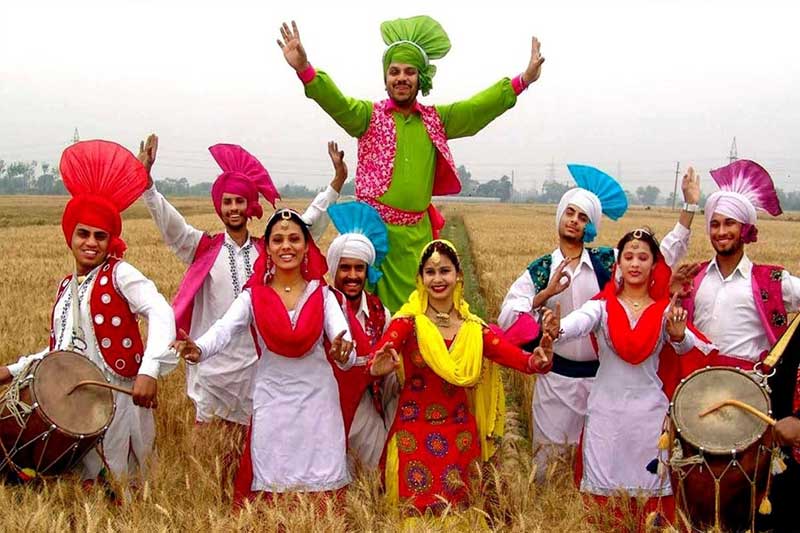

Advantages of Cultural Club
Joining a cultural club offers a wide range of advantages that promote personal development, cultural awareness, and social connections. Here are some key benefits:
1. Cultural Awareness and Appreciation
Exposure to Different Cultures: A cultural club provides opportunities to learn about and experience diverse traditions, languages, and customs, fostering a deeper understanding and appreciation of global cultures.
Breaking Stereotypes: Engaging with different cultures helps dispel misconceptions and promotes tolerance, reducing cultural biases.
Broadening Worldview: Interacting with people from various cultural backgrounds expands one’s perspective on global issues, history, and arts.
2. Personal Development
Creativity and Expression: Cultural clubs often involve artistic activities like dance, music, theater, and visual arts, which encourage creativity and self-expression.
Confidence Building: Participating in performances, exhibitions, or cultural events boosts confidence and helps overcome stage fright or fear of public speaking.
Improved Communication Skills: Involvement in cultural discussions and activities enhances interpersonal communication, listening, and collaboration skills.
3. Social Connections
Building Friendships: Cultural clubs provide a social environment to meet new people who share similar interests, creating strong friendships and networks.
Sense of Belonging: Being part of a cultural community fosters a sense of identity and belonging, particularly for individuals away from their native culture.
Networking Opportunities: Cultural clubs often organize events and collaborations with other organizations, offering opportunities to network professionally and socially.
4. Learning New Skills
Language Learning: Many cultural clubs focus on learning or practicing new languages, which enhances linguistic skills and improves cognitive function.
Artistic Skills: Participating in various cultural activities like painting, cooking, or handicrafts teaches new artistic or practical skills.
Leadership and Organization: Cultural clubs often involve planning events or organizing activities, providing leadership experience and enhancing organizational skills.
5. Celebration of Heritage
Preserving Cultural Traditions: Cultural clubs serve as a platform to celebrate and preserve one's own cultural heritage, passing it on to future generations.
Cultural Festivals and Events: Members often get involved in cultural festivals, ceremonies, or holidays, which strengthens cultural identity and community bonds.
6. Mental and Emotional Well-being
Stress Relief: Engaging in cultural activities such as music, dance, or creative arts can serve as a form of relaxation and stress relief.
Sense of Purpose: Cultural clubs can provide members with a sense of purpose by allowing them to contribute to cultural preservation and community engagement.
7. Diversity and Inclusion
Promoting Inclusivity: Cultural clubs help create a more inclusive environment where people from different backgrounds feel valued and respected.
Learning from Others: Members have the opportunity to learn from different cultural experiences, fostering empathy and mutual respect.
8. Enhancing Academic and Career Opportunities
Interdisciplinary Learning: Cultural clubs often explore subjects like history, literature, and art, offering interdisciplinary learning that can complement academic studies.
Career Prospects: Cultural awareness and the ability to interact with diverse groups of people are valuable skills in many professional fields, such as international business, education, and tourism.
In summary, joining a cultural club promotes cultural understanding, personal growth, social engagement, and skill development, all while contributing to a more inclusive and diverse society.